
- Extractions
Wisdom teeth removal in Queens
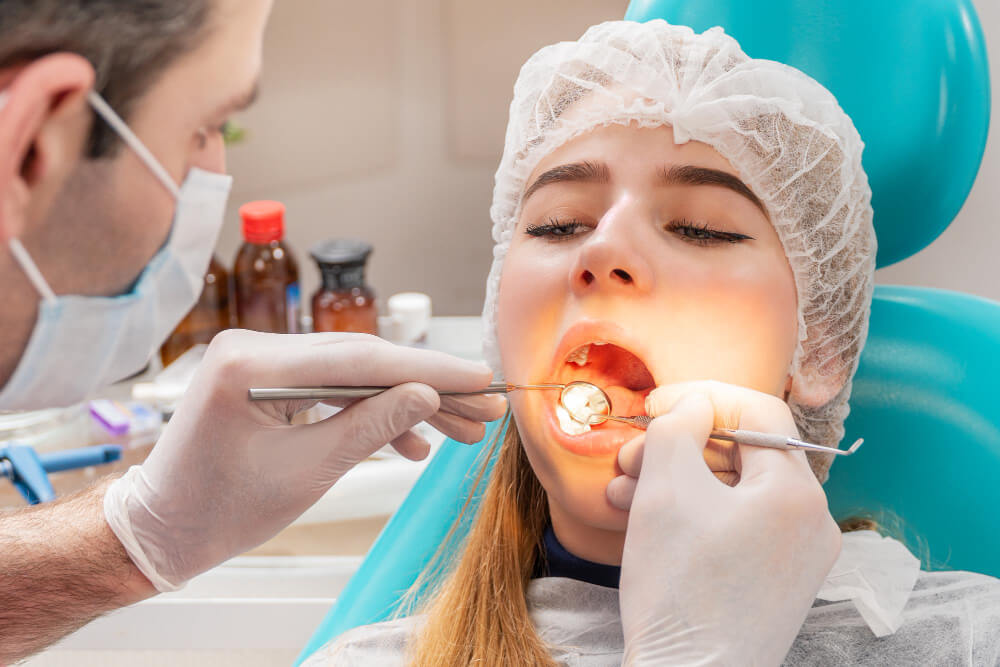
- Extractions done in-house
Signs your wisdom teeth should come out
- Pain or pressure at the back of the jaw
- Swollen, tender gums behind your last molars
- Food getting trapped, bad taste or bad breath near the back teeth
- Crowding or shifting of your other teeth
- A wisdom tooth that is only partly through the gum
Some wisdom teeth never cause trouble. An X-ray at your regular exam shows whether yours have room to grow in or are likely to cause problems later.
- In pain today?
A swollen or painful wisdom tooth can be seen the same day. Call Forest Hills (718) 830-0209 or Maspeth (718) 478-6800. See emergency care.
- The process
What happens during wisdom tooth removal
I
Exam & X-ray
We check the position of each wisdom tooth and its roots, and explain whether it is simple or surgical.
II
Numbing
The area is fully numbed with local anesthesia, so you feel pressure rather than pain.
III
Removal
The tooth is gently removed. A tooth under the gum may be taken out in small sections.
IV
Aftercare
You go home with gauze and written instructions, and we are a phone call away if you have questions.
- Recovery
Healing after an extraction
- Bite on gauze for the first hour and rest for the day.
- Use ice on your cheek on and off for the first day to reduce swelling.
- Eat soft, cool foods. Avoid straws, smoking and spitting for several days, which can dislodge the clot.
- Gently rinse with warm salt water from the day after.
Most people are back to normal routines in a few days. Call us if pain gets worse after the third day, or if you have a fever or swelling that keeps growing.
- Cost & insurance
The cost depends on whether the tooth is fully through the gum or still under it. Most PPO plans cover part of extractions. We check your benefits and give you the cost before we begin, and Cherry can spread it into monthly payments.
- Questions
Wisdom teeth FAQ
Yes. Our own dentists remove wisdom teeth and do other extractions at both our Forest Hills and Maspeth offices, so most patients do not need a referral to a specialist. If a tooth is in a very unusual position, we will tell you and help arrange the right care.
The area is fully numbed, so most patients feel pressure rather than pain during the extraction. Some soreness and swelling for a few days afterward is normal and is usually managed with over-the-counter pain relief and ice.
A simple extraction often takes 20 to 40 minutes. Removing several wisdom teeth, or teeth still under the gum, takes longer. We tell you what to expect at your exam.
Not always. If they have room, are fully grown in and you can keep them clean, they can stay. If an X-ray shows they are trapped, decaying or pushing on other teeth, removing them early is usually easier.
Most people are back to normal routines within a few days. Eat soft foods, avoid straws and smoking, and follow your aftercare instructions to prevent a dry socket.
Most PPO dental plans cover part of extractions. We check your benefits before we begin and tell you the cost up front.
Dry socket happens when the blood clot that forms in the socket comes loose or dissolves too early, exposing bone. It usually causes increasing pain a few days after surgery. To lower your risk, avoid smoking, drinking through a straw and spitting forcefully for the first several days. If pain gets worse instead of better, call us. We can clean the area and place a soothing dressing.
Many dentists suggest evaluating wisdom teeth in the late teens or early twenties. At that age the roots are not fully formed and the bone is softer, so removal is often easier and healing tends to be faster. Adults of any age can have them removed when needed. X-rays help us decide on timing for you.
Often, yes. Removing all of them in one visit means one recovery period instead of several. But not every wisdom tooth needs to come out. Some grow in straight and healthy. We look at each tooth on your X-rays and recommend removing only the ones that are causing problems or are likely to. We will plan the approach that makes sense for you.
Stick to soft, cool or lukewarm foods for the first few days, such as yogurt, smoothies eaten with a spoon, applesauce, mashed potatoes, scrambled eggs and soup that is not too hot. Avoid crunchy, spicy or seedy foods and straws, which can disturb the healing sockets. Most people move back to normal foods gradually over about a week.
Swelling usually peaks around the second or third day and then fades over the following days. Using a cold compress on the cheek, on and off during the first day, can help. After that, gentle warmth may be more soothing. Mild bruising is also possible. Call us if swelling keeps increasing after day three or you develop a fever.
Many people take one to three days off, depending on how many teeth were removed and how involved the removal was. Desk work or classes are often fine within a couple of days. If your job is physical, you may need a bit longer and should avoid heavy exertion for a few days. Scheduling on a Thursday or Friday can help.
An impacted wisdom tooth is one that is blocked from coming in fully, often because there is not enough room in the jaw. It may be partly through the gum or stay completely under it, sometimes growing at an angle. Impacted teeth can lead to infection, pain, cysts or damage to nearby teeth. X-rays show the position so we can advise you.
Common signs include pain or pressure at the back of the jaw, swollen or tender gums behind the last molars, a bad taste or smell, food getting trapped, jaw stiffness or headaches. Some problem wisdom teeth cause no symptoms at all, which is why regular X-rays matter. If you notice any of these signs, book a visit so we can take a look.
Cost depends on how many teeth need to come out and how they are positioned, such as whether they are impacted. After your exam and X-rays, we give you a written estimate before treatment. We check your PPO benefits ahead of time, and financing through Cherry or CareCredit is available if you would like to spread out payments.
Brush your other teeth normally the night of surgery, but be gentle near the extraction sites. Avoid rinsing for the first day so the clot can settle. Starting the next day, rinse gently with warm salt water several times a day, especially after meals. Let the water fall from your mouth instead of spitting hard.
It is best not to. Smoking and vaping slow healing and greatly raise the risk of dry socket, both from the chemicals and from the suction involved. Try to avoid them for at least several days after surgery, and longer if you can. If you need help planning around this, let us know before your appointment.
It is a very common procedure, and most people heal without trouble. Possible issues include dry socket, infection, bleeding and, less often, temporary numbness of the lip, chin or tongue when a tooth sits near a nerve. Permanent numbness is rare. We review your X-rays carefully, explain any specific risks for your teeth and give you clear aftercare instructions.
