- Replacing missing teeth
Dental implants in Queens
Free Implant Consultation:
Your implant consultation is free. It includes an implant exam, a 3D (CBCT) scan and a written treatment plan. Cleanings are not included. A copy of your CBCT scan is available for $200.
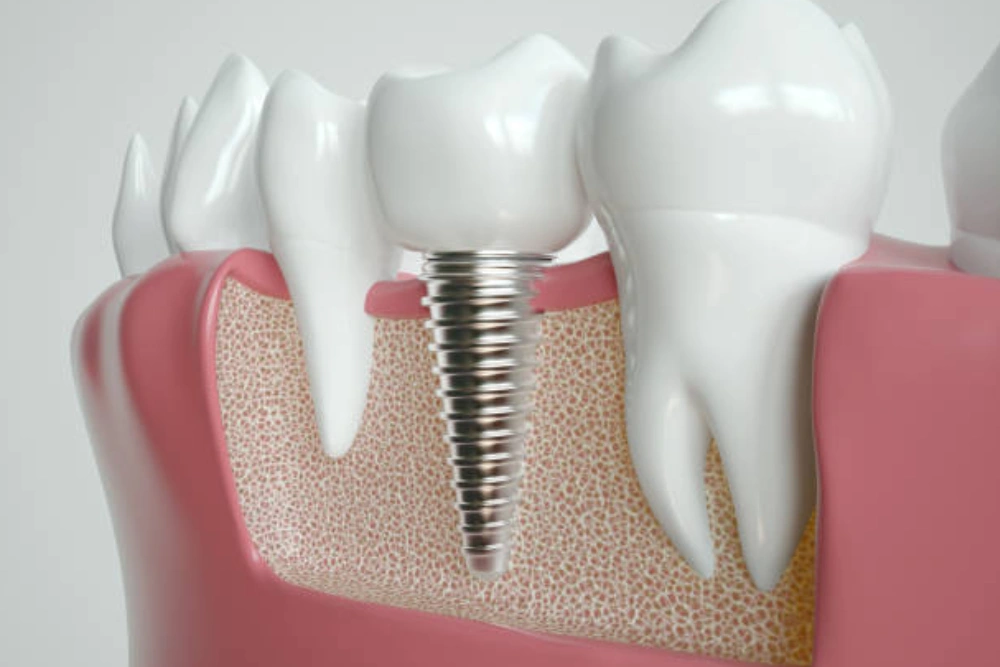
- Implant, abutment and crown
Services
Implant placement & implant crowns
Replaces
One tooth, several teeth, or support for dentures
Starting at
From $2,000 per implant
Timeline
Usually 3–6 months
Financing
Cherry, 0% APR options
Why choose an implant
- Looks, feels and functions like a natural tooth.
- Does not rely on grinding down neighboring teeth, as a bridge does.
- Helps preserve the jawbone where a tooth is missing.
- No removable parts for a single-tooth implant.
- Can also anchor dentures so they stay firmly in place.
Options for replacing missing teeth
An implant is not the only answer. Depending on your health, bone and budget, a dental bridge or partial or full denture may suit you better. Your dentist will walk you through each option and its cost so you can choose with confidence.
- The process
The dental implant journey
I
Consultation & X-rays
We examine the area, review X-rays and confirm there is enough healthy bone for an implant.
II
Implant placement
The implant is placed in the jawbone under local anesthesia.
III
Healing
Over the following months, the bone bonds to the implant and makes it stable.
IV
Implant crown
A custom crown, matched to your other teeth, is attached to complete the tooth.
Caring for your implant
After placement, follow the post-operative instructions we give you: eat soft foods at first, keep the area clean, avoid smoking, and take any medication as directed. Long term, brush and floss around your implant as you would a natural tooth, and keep up regular cleanings and exams.
- Paying for implants
Some PPO plans cover part of implant treatment. We check your benefits for you, and Cherry can spread the remaining cost over monthly payments.
- Is it right for you
Who is a good candidate for dental implants?
Most adults who are missing one tooth, several teeth or a full arch can have implants. The main things we check are healthy gums and enough jawbone to hold the implant. If bone has shrunk after an old extraction, a bone graft can often rebuild it first.
Smoking, uncontrolled diabetes and some medications can slow healing, so we review your health history at the consultation and tell you honestly whether an implant, a bridge or dentures will serve you better.
Single tooth, bridge or full arch
- Single implant: one post, one abutment and one crown replace one missing tooth without touching the teeth next to it.
- Implant bridge: two implants can support three or four teeth in a row.
- Implant-supported denture: a few implants hold a full denture firmly in place, so it does not slip when you eat or speak.
- Cost & insurance
Implants start from $2,000 per implant. The abutment and crown are priced together, starting from $1,500.
Many PPO plans cover part of the crown, and some cover part of the implant. We check your benefits for you. Cherry financing lets you pay monthly, with 0% APR for qualifying patients.
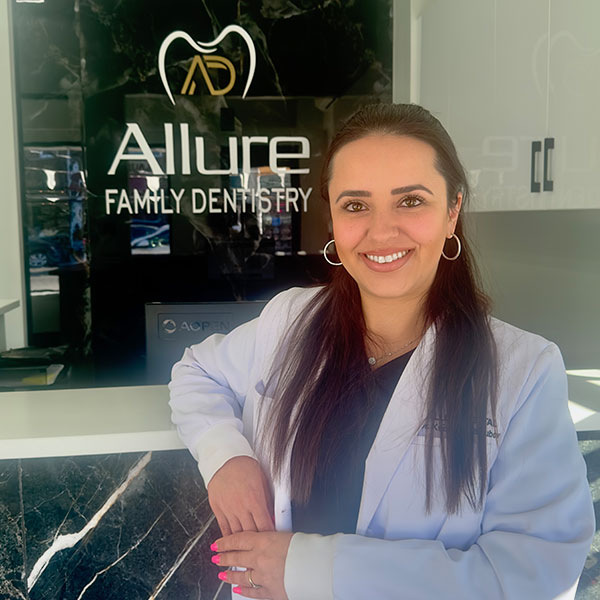
- Lead dentist
Dr. Kristina Yakubov, DDS
Member, ADA & NYSDA · Forest Hills & Maspeth
- Questions
Dental implant FAQ
The implant starts at $2,000, and the abutment and crown are priced together, starting from $1,500. The total depends on how many teeth you are replacing and whether you need a bone graft.
Implant placement is done under local anesthesia, so you should not feel pain during the procedure. Mild soreness for a few days afterward is common and usually managed with over-the-counter pain relief.
With good oral hygiene and regular dental visits, implants can last for many years and often decades. The crown on top may eventually need replacing due to normal wear.
Usually 3 to 6 months from placement to final crown, because the bone needs time to bond with the implant. Most patients need two treatment visits plus the consultation.
Most healthy adults with enough jawbone are candidates. Uncontrolled diabetes, heavy smoking and some medical conditions can affect healing. Your dentist will review your health and X-rays at your consultation.
Some PPO dental plans cover part of the cost. We will check your benefits before treatment, and Cherry financing is available for the rest.
An implant replaces the tooth root and stands on its own. A bridge is anchored to the neighboring teeth, which are shaped to hold crowns. Implants preserve the neighboring teeth and the jawbone; bridges are usually faster and may cost less.
For many people, yes. An implant replaces the root as well as the visible tooth, so it does not rely on neighboring teeth for support and helps preserve the jawbone where a tooth is missing. With good care, implants can last for many years. They cost more upfront than some options, so we walk you through every alternative and give you a written estimate before treatment so you can decide with clear numbers.
It is uncommon, but it can happen. Studies generally report high long-term success for implants, though no treatment comes with a guarantee. The most common causes of problems are infection around the implant, smoking, uncontrolled diabetes, heavy grinding and poor cleaning at home. We review your health history before treatment, plan carefully, and check the implant at follow-up visits so any concern is caught early.
Most patients feel mild soreness and some swelling for a few days, which over-the-counter pain relievers usually manage well. Many people return to work the next day. Soft foods are best for the first several days. The implant then bonds with the jawbone over a few months before the final crown is placed. We give you clear written aftercare instructions and are a phone call away if anything feels off.
Often, yes, but smoking raises the risk of slow healing and implant problems because it reduces blood flow to the gums and bone. If you smoke or vape, we recommend stopping for as long as possible before and after surgery, ideally for good. We will talk honestly with you about your risk at the consultation and whether an implant is the right choice for you.
There is no upper age limit. Healthy adults in their 70s, 80s and beyond can be good candidates, since overall health and bone matter more than age. On the younger side, implants are usually placed only once the jaw has finished growing, which is typically in the late teens or early twenties. We assess each patient individually at the consultation.
Bone can shrink after a tooth is lost, but that does not always rule out an implant. Our dentists perform bone grafting in-house, including socket preservation right after an extraction, to rebuild the area so an implant has a solid foundation. Sometimes grafting is done at the same visit as the extraction or implant; other times it needs a few months to heal first. Your exam and imaging will show which approach fits.
In suitable cases, yes. We offer same-day, or immediate, implants, where the implant is placed right after the tooth is removed. This can shorten overall treatment time and mean fewer surgical visits. It depends on having healthy bone, no active infection at the site and good stability. Not everyone qualifies, so we confirm at your exam whether immediate placement is a safe option for you.
Care for an implant much like a natural tooth. Brush twice a day with a soft brush, and clean around it daily with floss, a water flosser or small interdental brushes. Keep up with regular cleanings and exams so we can check the gums and bite around the implant. If you grind your teeth at night, a night guard can help protect the implant crown.
Dental implants are a well-established, widely used treatment. Most implant are made of titanium or a titanium alloy, a material that bone bonds with well and that has a long history in medicine and dentistry. The crown on top is usually porcelain or ceramic, shaded to match your other teeth. As with any surgery, there are some risks, which we explain fully before you decide.
Yes. The abutment and crown are priced together, starting from $1,500.
Yes. We offer financing through Cherry and CareCredit. With Cherry, checking your options does not affect your credit score, and qualifying patients can get 0% APR with no deferred interest. If you have a PPO plan, we check your benefits before your visit so you know what may be covered. Our team is happy to go over payment options at your consultation.
Yes. A copy of your CBCT scan is available for a $200 fee, paid before the copy is released. Reviewing the scan with Dr. Yakubov during your consultation is free.
